
Washington, D.C. | September 1, 2026
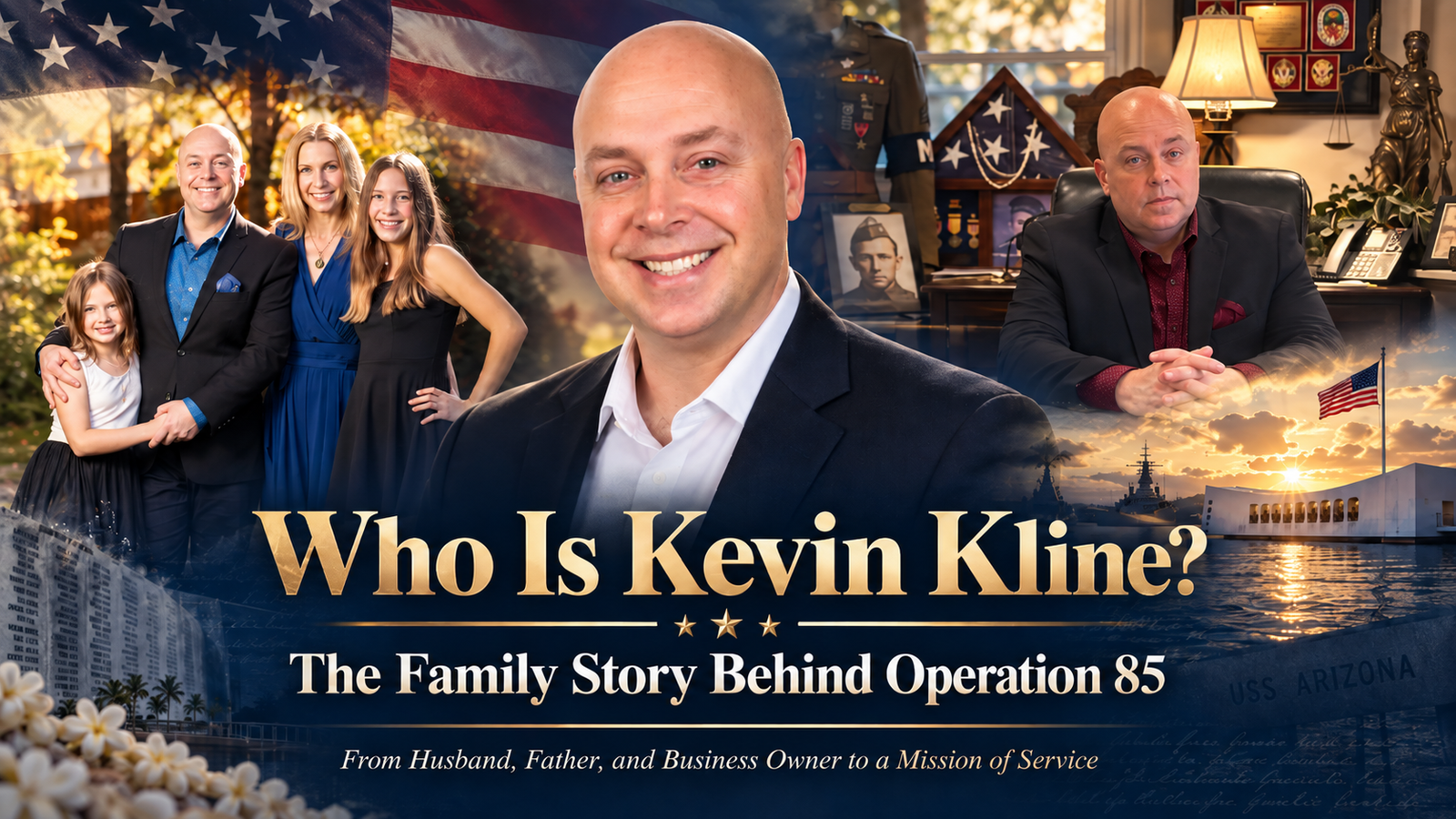
Kevin Kline never expected to lead a national mission involving Pearl Harbor, DNA identification, federal agencies, military families, and some of the most important unresolved questions connected to the U.S.S. Arizona.
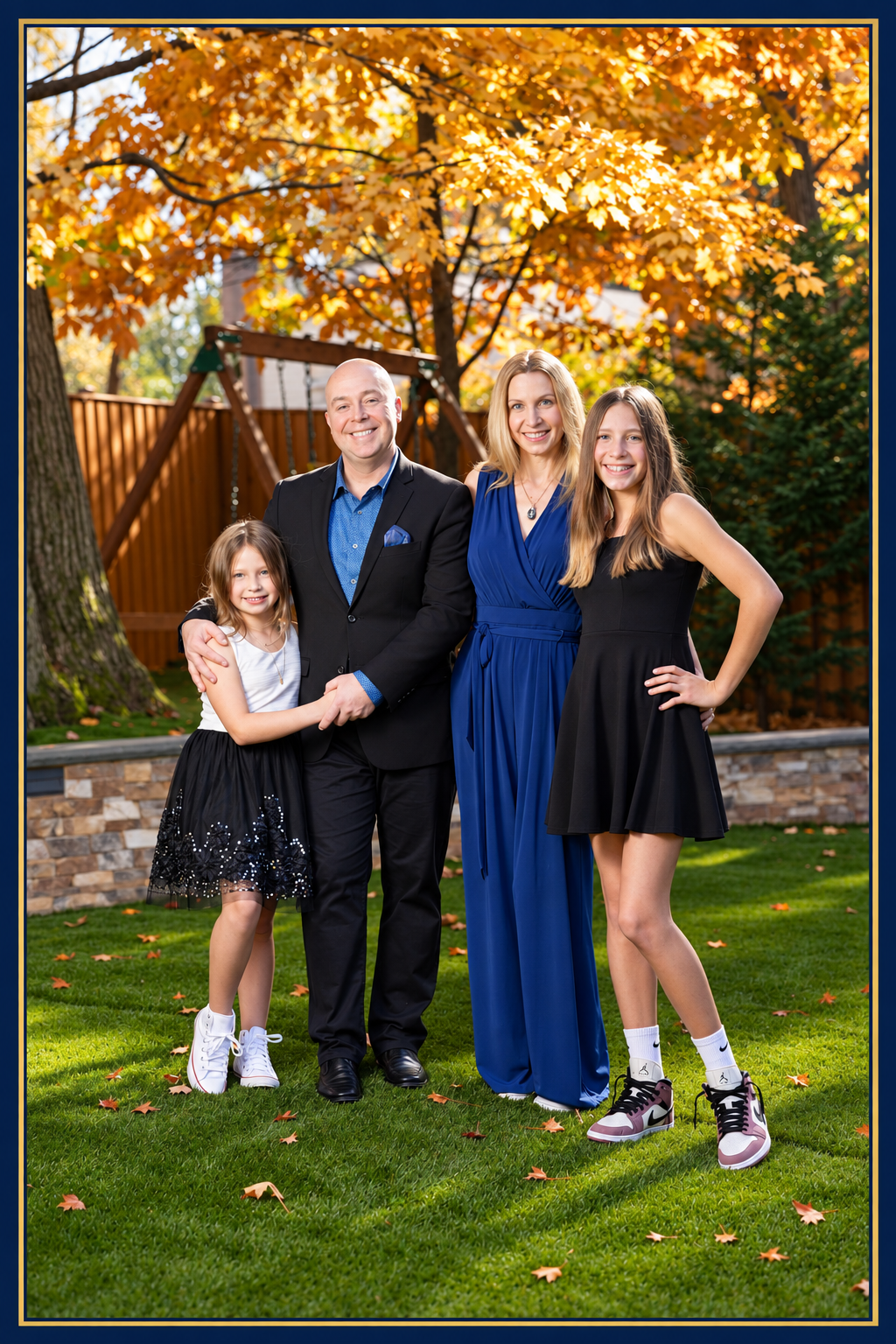
For most of his adult life, Kevin was simply doing what millions of Americans do every day: raising a family, building a business, working hard, and managing the ordinary responsibilities of life. He was a husband, a father, and a local business owner with his wife Elizabeth. He had no background in forensic science, military casualty affairs, government policy, or genealogical research. He was not searching for a cause, and he certainly was not planning to create an organization that would eventually help change the trajectory of one of the most difficult World War II identification projects in the country. That changed after a family trip to Hawaii in 2022.
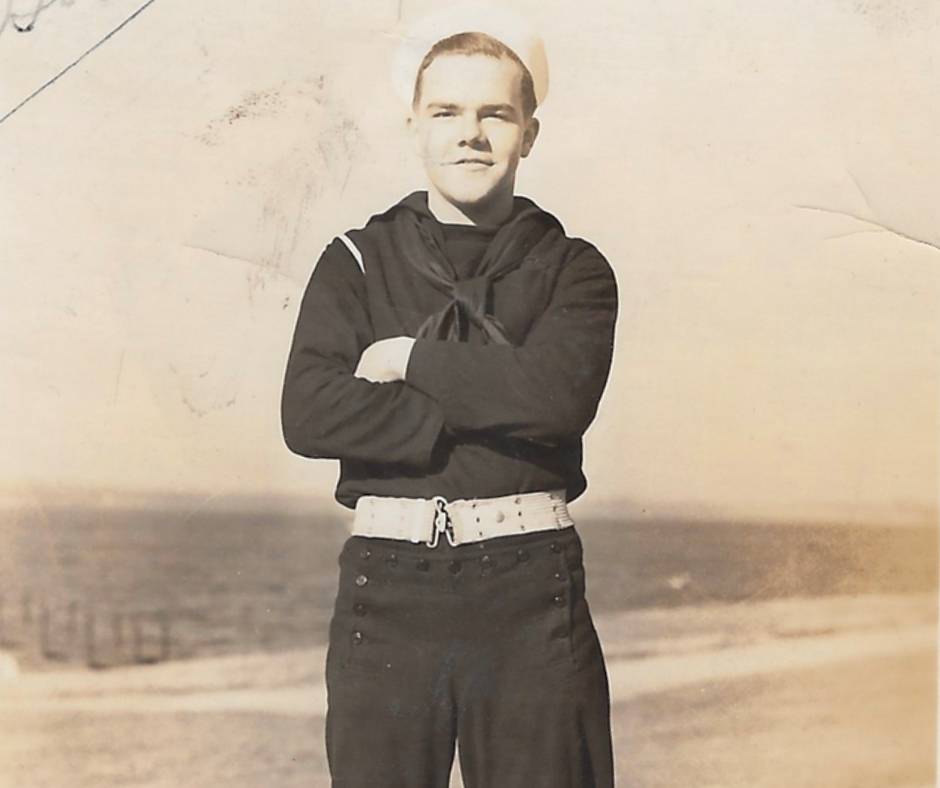 Kevin is the grandnephew of Gunner’s Mate Second Class Robert Edwin Kline, who was killed aboard the U.S.S. Arizona during the attack on Pearl Harbor on December 7, 1941. Like so many families connected to the ship, Kevin grew up knowing that his relative had never returned home. Robert Kline was one of the hundreds of U.S.S. Arizona crew members whose stories ended at Pearl Harbor and whose remains were never individually identified. During that 2022 trip, Kevin began learning more about the U.S.S. Arizona Unknowns and the remains recovered following the attack that were later buried as Unknowns at the National Memorial Cemetery of the Pacific in Honolulu. The more he learned, the more difficult it became to simply walk away from the question.
Modern DNA technology existed. Genealogy had become exponentially more powerful. Family relationships could be traced in ways that had been impossible for previous generations. The science had advanced, but the families still did not have answers. Kevin began asking a question that would eventually define the next chapter of his life: if the tools now existed to identify these men, why had no large-scale effort succeeded in bringing their names back? That question became the beginning of Operation 85.
From a Family Question to a National Mission
Kevin returned home and began educating himself about the Department of War personnel accounting mission. He learned how Family Reference Samples are used, how eligible relatives are identified, how military Service Casualty Offices work with families, and how DNA from living relatives can help forensic scientists identify missing service members.
The process was far more complicated than he initially imagined. There were scientific requirements, genealogical requirements, federal policies, historical records, family relationships, and multiple government agencies involved in every identification effort. What Kevin quickly realized, however, was that one of the greatest obstacles was not necessarily the science. It was finding the families.
More than eight decades had passed since the attack on Pearl Harbor. Many parents, siblings, children, nieces, nephews, and cousins of the missing crew had died. Family lines had spread across the country and around the world. Names had changed through marriage. Records had become fragmented. Some sailors had no children. Some relatives had no idea they were related to a man who had served aboard the U.S.S. Arizona. There was no simple database containing every eligible relative. Someone had to find them.
On April 6, 2023, Kevin launched Operation 85, named to identify the 85 or more unknown crew members of the USS Arizona and have a resolution by or before the 85th Anniversary of the attack on Pearl Harbor. That gave him a little over three years.
At the time, he genuinely believed the project might last only a few months. That assumption disappeared almost immediately. The deeper Kevin went into the work, the clearer it became that this would require a major, sustained effort. It would take genealogy, historical research, communications, technology, family outreach, fundraising, persistence, and the cooperation of government agencies and military casualty offices. Most importantly, it would require the trust of families.
Building Operation 85
Operation 85 grew from a small family-led effort into a sophisticated national research and outreach organization.
Kevin began assembling people who could help solve different pieces of the problem. Genealogists joined the effort. Researchers began building family trees. Volunteers helped search records and locate relatives. Technology systems were developed to manage increasingly complex family information. Relationships were established with the Defense POW/MIA Accounting Agency, the Armed Forces DNA Identification Laboratory, and the military Service Casualty Offices.
The work was methodical and often slow. One case might require hours or days of research before a living relative could be located. Another might involve a family tree extending several generations in multiple directions before an eligible DNA relationship could be identified. The numbers mattered, but accuracy mattered even more. Operation 85 was not simply trying to collect names or build a mailing list. The mission was to identify family members who could meaningfully contribute to the official Department of Defense identification process through Family Reference Samples.
That meant every family tree had to be researched carefully, every relationship had to be understood, and every eligible donor ultimately had to be connected with the appropriate government process. The mission grew one family at a time. One phone call became ten. Ten became hundreds. Letters were mailed. Families responded. DNA kits were requested. New relatives were located. Families who had never heard of Operation 85 became part of the mission. What began as a question about one ship was turning into a national family search.
The Personal Cost of the Mission
Operation 85 was not built in a government office or launched with a major federal grant. Kevin began the effort with his own time, his own resources, and his own money.
For more than three years, the mission became a major part of his life. There were late nights, weekends, meetings, research calls, family conversations, government briefings, travel, media interviews, and countless hours spent learning systems he had never expected to encounter.
The work also required financial sacrifice. Kevin personally invested substantial resources in building the mission, supporting family outreach, developing technology, conducting research, and creating the infrastructure necessary for Operation 85 to function at a national level. There were also emotional challenges. This was never an abstract historical project for Kevin. Every case represented a real American who had died in service, and every family carried its own history, grief, and unanswered questions. Many families had waited decades for information. Some had been told for generations that there would probably never be an identification. That responsibility gave the work a very different weight.
Kevin’s role was not simply to build an organization. It was to help families believe that something once considered impossible might actually become possible.
Reaching the DNA Threshold
One of the most important milestones in the U.S.S. Arizona identification effort was the requirement that 60 percent of the missing crew be represented through family DNA. The confirmed number of missing U.S.S. Arizona crew members was 1,071, meaning 643 crew members needed family representation before a large-scale disinterment project could move forward. When Operation 85 began, the number of represented crew members was only a small fraction of that requirement. The challenge was enormous, but Kevin believed that if enough families could be located, educated, and connected with the official government process, the threshold could be reached.
For more than three years, that became one of Operation 85’s central objectives. Eventually, the number was reached. Then it was surpassed. That milestone changed the nature of the entire U.S.S. Arizona mission. For years, families had asked whether the Unknowns would ever be identified. Reaching the DNA threshold allowed the conversation to move beyond whether an identification effort was possible and toward how the process would actually begin.
For Kevin, that change represented one of the most meaningful moments in the history of Operation 85.
From Family Advocate to Official Partner
As Operation 85 grew, so did Kevin’s relationships with the professionals responsible for the broader POW/MIA accounting mission. He began working more closely with leadership at the Defense POW/MIA Accounting Agency, scientists and specialists at the Armed Forces DNA Identification Laboratory, and representatives of the military Service Casualty Offices. Over time, Operation 85 evolved from an outside family initiative into a recognized partner within the accounting community.
In 2026, Operation 85 and DPAA formally established their relationship through a Memorandum of Understanding, making Operation 85 an official partner of the Defense POW/MIA Accounting Agency. The agreement did not begin the relationship. It formalized years of cooperation and established a framework for continued collaboration, family outreach, genealogy, research, and broader support of the personnel accounting mission. For Kevin, the partnership represented something larger than organizational recognition. It showed that a mission started by one family member asking difficult questions had developed into a trusted and credible partner capable of contributing to the national effort to account for missing American service members.
Recognition for the Work
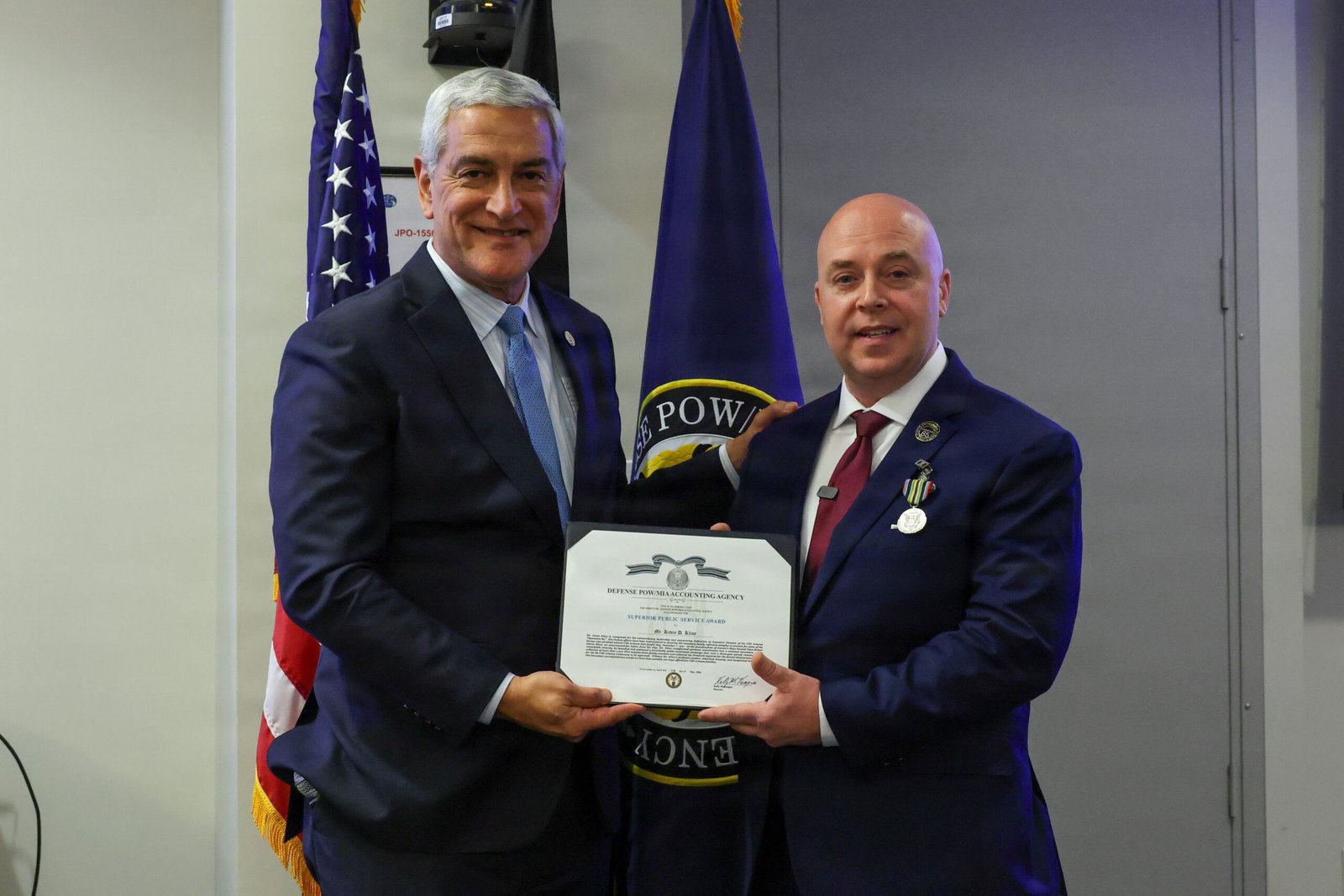
Kevin’s work has also been recognized by Department of Defense leadership. In May 2026, DPAA Director Kelly McKeague presented Kevin with the DPAA Superior Public Servant Award in recognition of his work and the contribution Operation 85 made to the U.S.S. Arizona identification effort. Kevin has consistently viewed that recognition as belonging to far more than one person. Operation 85 succeeded because families participated. Researchers kept searching. Genealogists kept building family trees. Scientists continued advancing identification methods. Government partners worked through complicated policy and operational questions. Volunteers gave their time. Supporters helped sustain the mission. The award may have been presented to Kevin, but the achievement represented years of collective effort.
December 7, 2026: A New Chapter
The next major chapter of the mission will begin on December 7, 2026, the 85th anniversary of the attack on Pearl Harbor. Registered U.S.S. Arizona family members will gather in Hawaii as the disinterment and identification effort moves into its next historic phase. For Kevin, the significance of that moment is difficult to separate from the personal story that started Operation 85 in the first place. His great-uncle Robert helped inspire the mission, but the work quickly became about far more than one sailor or one family. It became about every family that had waited for answers. Every name that had been replaced by the word “Unknown.” Every American service member whose identity had been lost to history. The beginning of disinterment will not mean that every Unknown is immediately identified. Forensic identification is complex and can take time. But the ceremony will mark something generations of families were once told might never happen. The process will have begun.
An Ordinary Life Interrupted by a Patriotic Moment
Perhaps the most important part of Kevin Kline’s story is that he was not looking for this mission. He was living his life. He was raising his children, spending time with his wife, running a business, and managing the same responsibilities most families understand very well. Then something crossed his path that he could no longer ignore. That is what Kevin has come to think of as a patriotic moment.
Not everyone will start an organization. Not everyone will work on a POW/MIA mission. Not everyone will spend years locating relatives of missing service members. That is not the point. The lesson of Operation 85 is that service does not always begin with a uniform, a government title, or a carefully constructed plan. Sometimes it begins when an ordinary person recognizes a problem and decides not to wait for someone else to solve it.
Kevin’s moment happened at Pearl Harbor. Someone else’s may happen in a school, a veterans organization, a neighborhood, a church, a historical society, a hospital, or a local community. The form of service is less important than the decision to act.
Find Your Patriotic Moment
Kevin believes every American has the ability to contribute something meaningful to the country and community around them. That contribution does not need to be historic. It does not need to attract media attention. It does not need to become an organization. Patriotism can mean mentoring a young person, helping a veteran, preserving local history, volunteering with military families, assisting an elderly neighbor, supporting a community organization, or simply choosing to serve when it would be easier to remain uninvolved. The important thing is recognizing the moment when it appears.
Operation 85 exists because Kevin encountered one of those moments and decided to follow it. He did not know where it would lead. He did not have all the expertise he would eventually need. He did not have a team, a national organization, an official government partnership, or an award. Those came later. What came first was the decision to begin.
A Mission Rooted in Remembrance
At its core, Operation 85 is still built around a simple belief: America should remember the people who served it. They should not exist only as statistics in a history book. They had names, families, hometowns, dreams, and lives interrupted by war. When science, genealogy, persistence, and family participation make it possible to restore an identity, that opportunity should matter.
That belief continues to guide Kevin and Operation 85 as the organization prepares for the next phase of the U.S.S. Arizona identification mission and explores how the lessons learned through this project may help other families in the future. Kevin Kline began this journey as a family member looking for answers about one missing sailor. He never expected the question to become a national mission. But sometimes the most important things we do in life are the things we never planned to do at all.